
Imagine a night of deep, rejuvenating sleep on a freshly cleaned mattress cover – it’s a hygiene haven we all need. But the question that often crops up is, “How to clean a mattress cover?”
In this comprehensive guide, we’ll explore the best methods for washing and maintaining your mattress cover to ensure a clean, healthy sleep environment.
Understanding Your Mattress Cover
What is a Mattress Cover?
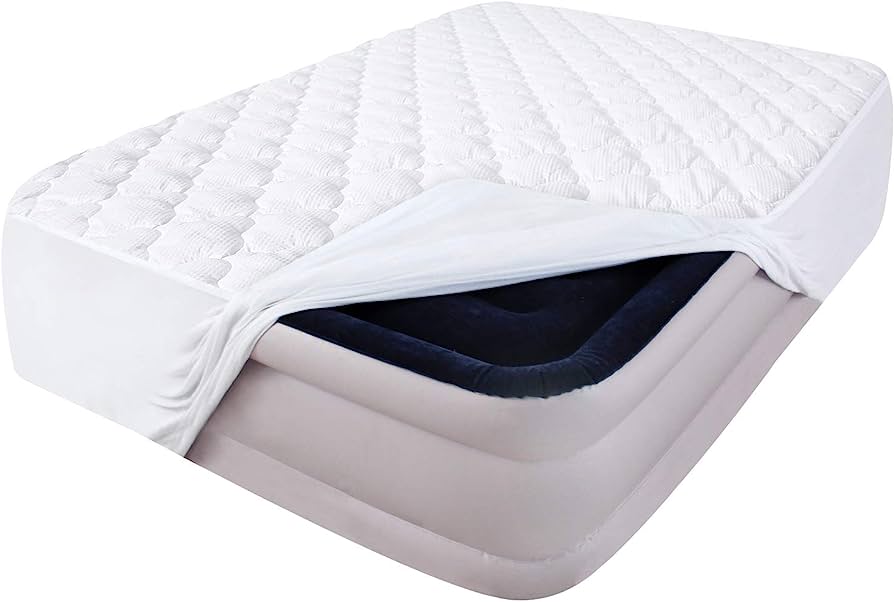
A mattress cover, also known as a mattress protector or pad, is a protective layer that fits over your mattress. It acts as a barrier between you and the mattress, providing several benefits for both the mattress and the bedding.
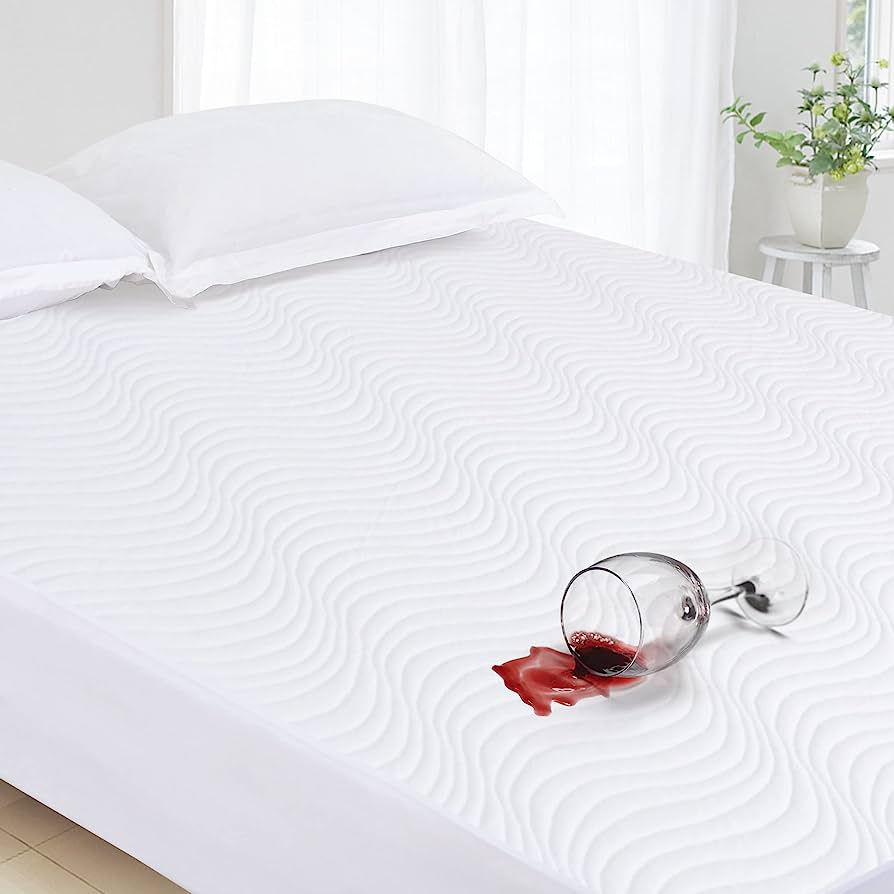
Made of waterproof or water-resistant materials, it shields the mattress from spills, stains, and damage. Additionally, it safeguards against dust mites, allergens, and bed bugs, ensuring a cleaner and hygienic sleep environment.
The Role of a Mattress Cover
The primary role of a mattress cover is to extend the lifespan of your mattress by keeping it in better condition. Regular exposure to sweat, spills, and dirt can gradually degrade the mattress, leading to reduced comfort and potential damage.
By using a mattress cover, you create a protective layer that shields the mattress from these elements, reducing wear and tear over time.
Different Types of Mattress Covers
From cotton and polyester to vinyl, mattress covers come in various materials. Each requires a unique cleaning approach to maintain the quality of your bedding, making it essential to understand your cover type before initiating the washing process.
When Should You Clean Your Mattress Cover?
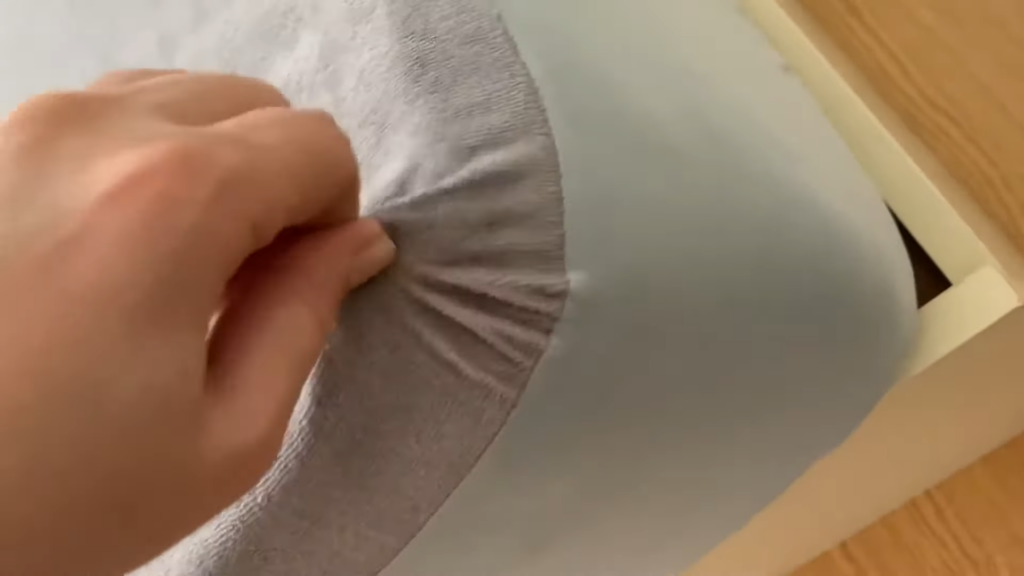
Taking good care of your mattress is essential for keeping it in tip-top condition and ensuring a healthy sleep environment. So, you might be wondering, how often should you actually clean your mattress cover?
Well, a general rule of thumb is to wash it every two to three months. This routine maintenance helps remove accumulated dirt, sweat, and dust, keeping your sleep surface fresh and clean.
Of course, sometimes spills or stains can happen unexpectedly. In such cases, it’s crucial to address them promptly to prevent permanent damage to the cover. If you have allergies or sensitive skin, more frequent cleaning might be necessary to keep allergens at bay and ensure a comfortable sleeping experience.
Preparing Your Mattress Cover for Washing
Inspecting the Mattress Cover for Stains
Before you toss your mattress cover into the washing machine, take a moment to inspect it closely for any stubborn stains. It’s essential to identify these spots before cleaning to give them some extra attention and ensure they don’t set in permanently.
Using Stain Removers Effectively
When dealing with those pesky stains, stain removers can be a real lifesaver. They work wonders in tackling tough spots and marks on your mattress cover. However, before you go all-in with the stain remover, be cautious and test it on a hidden or inconspicuous area first. This precautionary step helps you avoid any unwanted discoloration or damage to your cover.
Can You Machine Wash a Mattress Cover?
Guidelines for Machine Washing
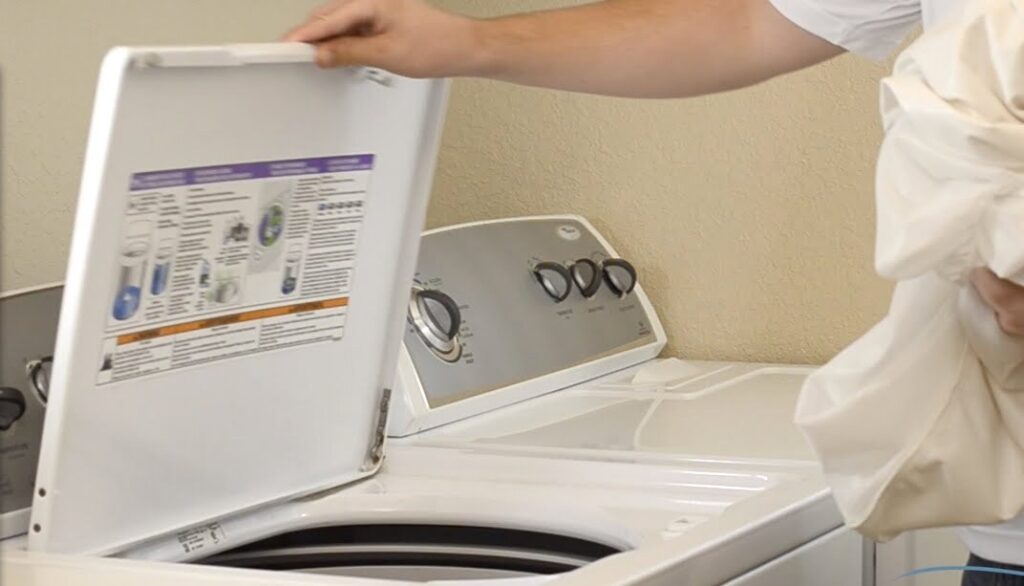
When it comes to machine washing your mattress cover, it’s usually safe to do so, but don’t forget to check the care label first! Manufacturers provide specific instructions tailored to the cover’s material and construction.
This quick glance at the care label ensures you’re using the right washing method for your particular cover, avoiding any mishaps during the cleaning process.
To maintain the fabric’s integrity and prevent shrinkage, opt for a gentle cycle with cold water. This mild approach will keep your mattress cover in top-notch condition, preserving its fit and comfort over time.
Choosing the Right Washing Cycle
Selecting the appropriate washing cycle is crucial for achieving optimal results. For most mattress covers, the delicate cycle is your go-to choice. This gentle setting treats the fabric with extra care, preventing unnecessary wear and tear. This cycle can use warm water for better stain removal.
However, if your cover is dealing with specific stains or has accumulated excess dirt, a normal cycle with an extra rinse might be more suitable. This more robust option ensures a thorough cleaning while still being mindful of the fabric’s well-being.
Detergent Selection for Mattress Covers
When it comes to choosing the right detergent, a mild and color-safe option is your best bet. Bleach-free detergents work wonders without jeopardizing the cover’s appearance or texture.
Just remember, using excessive detergent won’t give you better results. In fact, it may leave annoying residue on the fabric. Stick to the recommended amount to ensure your mattress cover is fresh, clean, and residue-free after each wash.
Hand Washing Mattress Cover
Step-by-Step Guide to Hand Washing Your Mattress Cover
- Fill a bathtub or large sink with warm water.
- Add a small amount of mild detergent and stir until it’s fully dissolved.
- Submerge your mattress cover and agitate gently.
- Rinse thoroughly, ensuring there’s no soap left on the cover.
Pros and Cons of Hand Washing
Hand washing your mattress cover has its advantages and disadvantages that are worth considering before deciding on your cleaning approach.
One of the significant advantages of hand washing is the ability to provide targeted cleaning. When dealing with heavily stained areas, hand washing allows you to apply more attention and care to those specific spots.
This targeted approach can be highly effective in breaking down and removing tough stains that might not be as easily addressed with a machine wash.
Moreover, hand washing offers a more delicate touch to the fabric, minimizing the risk of wear and tear. The gentle hand movements and control over the cleaning process can be beneficial for delicate or sensitive covers, ensuring they maintain their original softness and quality.
On the other side, hand washing can be more labor-intensive and time-consuming compared to machine washing. It requires manual effort and dedication, especially when dealing with larger mattress covers.
If you have a busy schedule or prefer a more hands-off approach to cleaning, hand washing may not be the most practical option.
Can You Bleach a Mattress Cover?
When and How to Use Bleach Safely
Using bleach on your mattress cover requires some caution to avoid damaging the fabric. Unless the care label explicitly permits it, it’s best to avoid bleach altogether. Bleach can weaken and deteriorate the fibers of the cover, leading to premature wear and tear. So, always double-check the care instructions before even considering bleach as an option.
If your mattress cover does allow the use of bleach, opt for color-safe bleach to minimize the risk of discoloration. Never pour bleach directly onto the fabric, as this can cause concentrated spots of damage. Instead, use the washer’s designated bleach dispenser, if available, to ensure the bleach disperses evenly throughout the wash.
Alternatives to Bleach
When you prefer a gentler and fabric-friendly alternative to bleach, consider using baking soda and vinegar. These natural ingredients boast powerful whitening and stain-fighting properties, making them excellent substitutes for harsh bleach.
Baking soda is fantastic for neutralizing odors and removing stains, while vinegar works wonders on tough spots and disinfects the fabric. Simply add half a cup of baking soda to your regular detergent during the wash cycle and use vinegar as a fabric softener during the rinse cycle.
This dynamic duo provides a safe and effective way to keep your mattress cover looking fresh and clean without causing any harm to the fabric.
Drying Your Mattress Cover
How to Dry a Mattress Cover After Washing
After washing your mattress cover, the drying process is equally important to maintain its integrity and prolong its lifespan. The safest method for drying your mattress cover is air-drying.
This gentle approach minimizes the risk of shrinkage or damage that high heat from a dryer can cause. Find a well-ventilated area, preferably outdoors, and lay the mattress cover flat on a clean surface.
Allow it to air-dry naturally, benefiting from the gentle breeze and sunlight. This method ensures your cover retains its shape and remains in excellent condition.
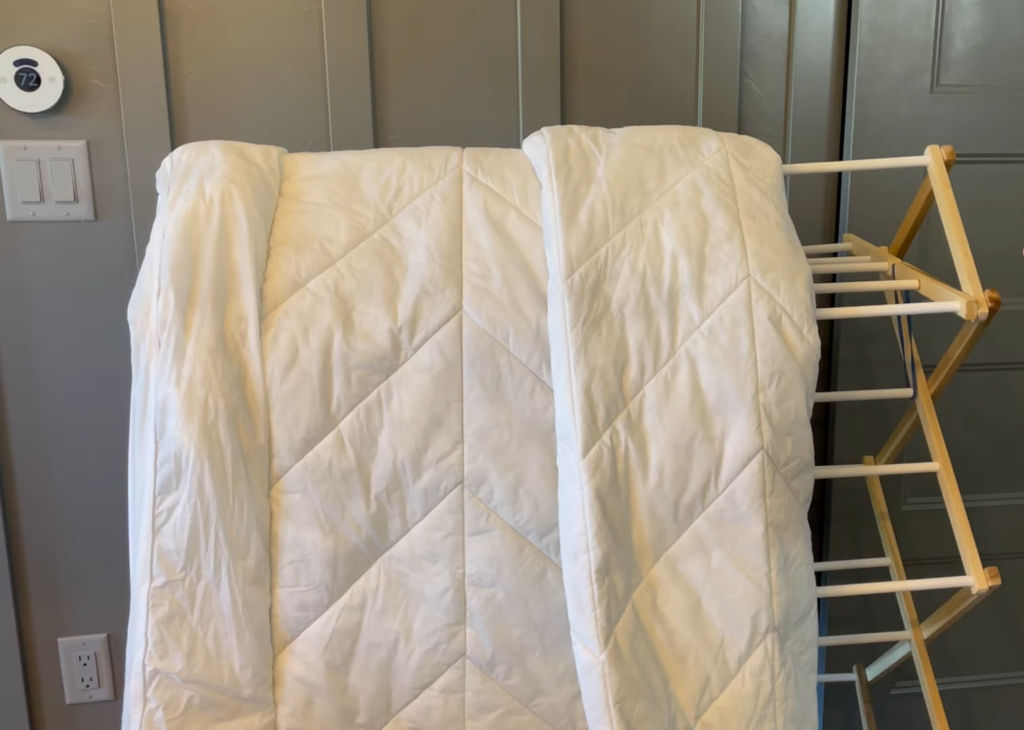
If you choose to use a dryer, take some precautions to protect the fabric. Select the lowest heat setting available, or opt for the ‘air fluff’ option if your dryer has one.
This reduces the risk of excessive heat affecting the cover and causing potential damage or shrinkage. Keep a close eye on the drying process and avoid over-drying, as this can also lead to unnecessary wear on the fabric.
Disinfecting Mattress Protector
Occasional disinfection of your mattress cover is a good practice to ensure a clean and hygienic sleep environment. Regular disinfecting helps eliminate bacteria and viruses that may accumulate on the surface over time.
A fabric-safe disinfectant spray is a quick and easy option for this purpose. Simply spray the disinfectant evenly on the mattress cover, ensuring full coverage. Allow the cover to air dry once again to let the disinfectant do its job effectively.
Caring for Your Mattress Cover Post-Washing
Proper Storage for Mattress Covers
Proper storage is crucial for maintaining the quality and longevity of your mattress cover when you’re not using it immediately. If you’ve just washed your cover or are switching to a different one, it’s essential to store it correctly to avoid any potential issues.
To ensure your mattress cover remains in good shape, find a suitable storage spot that is cool and dry. Avoid areas with excessive humidity or direct sunlight, as these conditions can encourage the growth of mildew or cause the fabric to fade over time.
Instead, consider a closet or a drawer in a climate-controlled room, ensuring the cover stays protected from any potential moisture or temperature fluctuations.
Regular Maintenance Tips
Regular maintenance plays a vital role in keeping your mattress cover fresh and pristine between deep cleanings. Spot cleaning is an effective method for handling small spills or stains promptly. Address these mishaps as soon as possible to prevent the stains from setting in and becoming harder to remove later.
Furthermore, if the weather allows, take advantage of the outdoors by occasionally airing out your mattress cover. Sunlight and fresh air have natural sanitizing properties that can help eliminate odors and keep the fabric feeling and smelling clean.
Lay the cover on a clean surface outdoors and let it breathe for a few hours before putting it back on your mattress.
Common Mistakes to Avoid
Potential Damages from Improper Cleaning
Using hot water or high heat drying, overusing detergent, or ignoring the care label—these mistakes can lead to color fading, fabric weakening, or shrinking of your mattress cover.
Conclusion
A clean mattress cover plays a significant role in your sleep hygiene. With this extensive guide, we hope you’re well-equipped to keep your mattress cover clean and your bed a haven for restful sleep.
Frequently Asked Questions (FAQ)
Can you wash a mattress protector?
Yes, like mattress covers, most protectors can be machine washed and dried, but always check the care label.
How often should you clean a mattress cover?
Typically, every two to three months, but more frequently if you deal with frequent spills, allergies, or heavy perspiration.
What’s the best way to wash a mattress cover?
The best way to wash a mattress cover is to follow the care instructions provided by the manufacturer. In general, using a gentle cycle with cold water and a mild, color-safe detergent, and air-drying is recommended to preserve the fabric integrity and prolong the cover’s lifespan.
Can I wash a zippered mattress cover?
Yes, in most cases, you can wash a zipped mattress cover. However, it is essential to check the care label or the manufacturer’s instructions to ensure it is machine washable and to follow the recommended washing guidelines to maintain the cover’s quality and functionality.
Why does my mattress cover say “do not wash”?
The “do not wash” label on your mattress cover indicates that the cover is not suitable for washing machines, likely due to its delicate material or special features like waterproofing that may be damaged by washing. It’s essential to follow the manufacturer’s instructions to maintain the cover’s quality and ensure its longevity.