
Are you in the search of a perfect mattress that caters to your unique sleep needs? Look no further than memory foam mattresses. With their increasing popularity in the bedding market, it’s essential to understand what they are, their benefits, drawbacks, and what sets them apart from other types of mattresses.
This comprehensive guide delves deep into the world of memory foam mattresses, offering everything you need to know before making that critical purchasing decision.
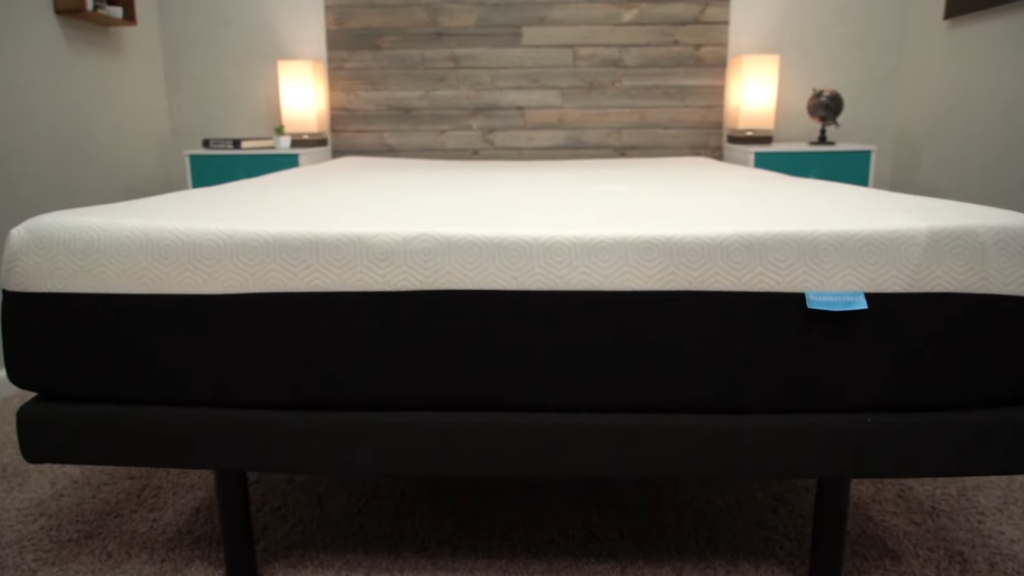
What is a Memory Foam Mattress?
Memory foam, originally developed by NASA in the 1960s for airplane seat cushioning, has made a significant mark in the mattress industry. The main component, polyurethane, is treated with specific chemicals to increase its viscosity and density, thereby producing viscoelastic foam or memory foam.
A memory foam mattress molds to your body shape in response to heat and pressure, evenly distributing body weight. Once the pressure is removed, it returns to its original shape, hence the term “memory foam”.
Types of Memory Foam Mattresses
Memory foam has evolved over the years, leading to different types that cater to varied sleep preferences.
Traditional Memory Foam: This is the classic version that offers excellent body contouring, pressure relief, and motion isolation.
Gel-infused Memory Foam: Designed to combat the heat retention problem in traditional memory foam, this type has gel microbeads that help disperse heat.

Open-cell Memory Foam: This type has a similar feel to traditional memory foam but includes tiny pockets that allow air to flow freely, making it cooler.
Plant-based/Eco-friendly Memory Foam: Manufactured using plant-derived oils replacing some petroleum-based products, this type is more breathable and has a faster response time.
Benefits of Memory Foam Mattresses
Memory foam mattresses offer several unique advantages that contribute to their growing popularity.
Comfort and Support
These mattresses conform to the contours of your body, offering personalized support and unparalleled comfort throughout the night.
Pressure Point Relief
By evenly distributing body weight, these mattresses alleviate pressure on joints, relieving pain and promoting better blood circulation for a more restful sleep experience.
Reduction of Back Pain
The ability of memory foam to align the spine properly helps reduce the risk of back problems by providing optimal support and maintaining natural spinal alignment during sleep.

Motion Isolation
With their remarkable motion isolation properties, these mattresses absorb movement and minimize the motion transfer across the surface. This feature ensures undisturbed sleep, even if you have a restless partner or share the bed with someone who frequently changes positions.
Potential Drawbacks of Memory Foam Mattresses
Despite the many benefits, memory foam mattresses also have some potential downsides.
Heat Retention
Certain memory foam mattresses may retain body heat, causing discomfort, particularly in warmer environments. Opting for mattresses with advanced cooling features or open-cell foam can help alleviate this issue.
Off-gassing
When first unpacked, memory foam mattresses may emit a chemical odor called off-gassing. This is temporary and typically dissipates within a few days, especially with proper ventilation.
Initial Hardness
New memory foam mattresses may initially feel firm or stiff, but they gradually soften and conform to your body with use and the heat from your body.
Allergies
Some individuals may experience allergic reactions to the mattress materials, such as latex or certain chemicals. It’s important to check the mattress’s composition and choose hypoallergenic options if you have known sensitivities.

Lifespan and Durability
Over time, memory foam mattresses can develop sagging, which can affect their comfort and support. Opting for high-density foam and mattresses from reputable brands known for durability can help mitigate this issue and prolong the lifespan of the mattress.
Memory Foam Mattress vs Other Types of Mattresses
When compared to latex, spring, and hybrid mattresses, memory foam mattress stands out for its body-contouring properties and pressure relief. However, latex mattresses offer more responsiveness, and spring mattresses are generally more affordable. The choice ultimately depends on personal preference.
Factors to Consider When Buying a Memory Foam Mattress
Before buying a traditional memory foam mattress, consider the following
Memory Foam Mattress Density
The density of a traditional memory foam mattress directly correlates with its level of support and durability. Higher density foam provides enhanced support, but it can also result in a higher cost due to the premium materials used in its construction. Consider the construction and arrangement of the foam layers to ensure they align with your specific sleep needs.
Memory Foam Mattress Firmness Levels
The firmness level of a mattress should be chosen based on your sleep position and personal preference. Soft mattresses are typically suitable for side sleepers, while medium firmness is ideal for back sleepers. Stomach sleepers tend to benefit from a firmer mattress to maintain proper spinal alignment.
Your Sleeping Position
Different sleep positions require varying levels of support. Side sleepers often need a softer mattress that allows for proper contouring and pressure relief. Back sleepers generally prefer a medium firmness that provides both support and comfort. Stomach sleepers typically benefit from a firmer mattress that helps prevent the sinking of the hips.

Allergen Resistance
Traditional memory foam mattresses can offer levels of resistance to common allergens like dust mites. This can be beneficial for individuals with allergies or asthma, as the dense structure of memory foam inhibits the accumulation of dust mites and their allergens, promoting a cleaner sleep environment.
Body Weight
The body type of an individual plays a role in determining the appropriate mattress firmness and thickness. Heavier individuals usually require a firmer and thicker mattress to adequately support their weight and maintain proper spinal alignment during sleep.
Physical Conditions
Memory foam mattresses can be beneficial for individuals with physical conditions, such as back pain. The contouring properties of memory foam provide targeted support, alleviating pressure points and promoting spinal alignment, which can help reduce discomfort and pain during sleep.
The Role of Temperature in Memory Foam Mattresses
Memory foam mattresses respond to body heat, softening to cradle your body. However, some types may retain heat. Manufacturers have introduced cooling technologies, like gel infusions and open-cell structure, to tackle this issue.
Popular Memory Foam Mattress Brands
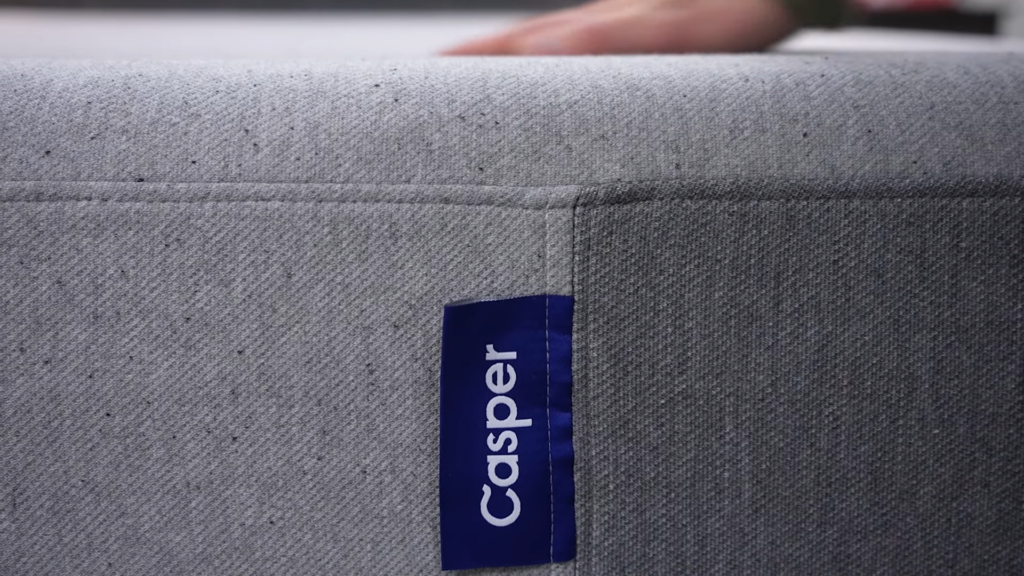
Several brands have emerged as frontrunners in the memory foam mattress market. Brands like Tempur-Pedic, Sealy, and Casper offer mattresses with varying features and price ranges.
How to Clean a Memory Foam Mattress
Regularly clean your memory foam mattress to increase its lifespan. Use a vacuum for surface dust, mild detergent for stains, and baking soda for odors. Avoid soaking the mattress, as moisture can damage the foam.

Memory Foam Mattress Toppers
A memory foam topper can enhance the comfort of an existing mattress. It provides an additional layer of cushioning, mimicking the benefits of a memory foam mattress at a fraction of the cost.
Memory Foam Mattress Price Range
Memory foam mattresses range from budget-friendly options to high-end luxury models. The price often reflects the mattress’s quality, density, thickness, and any additional features.
Conclusion
Memory foam mattresses with carefully designed foam layers provide a unique balance of comfort and support that many sleepers love. While they have their pros and cons, understanding what to look for and what to expect from memory foam can help guide you to the mattress that best fits your needs. It’s important to do your research and consider factors like firmness, density, and your sleeping style before making a purchase.
What Is A Memory Foam Mattress FAQ
Is it better to sleep on a memory foam mattress?
– Whether a memory foam mattress is better for sleep depends on individual preferences and needs. Many people find that memory foam mattresses offer excellent comfort, support, and pressure relief, leading to a more restful sleep experience.
Is memory foam soft or firm?
– Memory foam mattresses can vary in firmness, with options available in both soft and firm levels. The firmness of a memory foam mattress depends on factors such as its density and construction.
Why is it called memory foam?
-It’s called “memory foam” because of its unique ability to remember and retain its shape. When pressure is applied, the foam molds to the body’s contours and retains that shape for a short period of time. Once the pressure is removed, the foam slowly returns to its original shape, hence the term “memory” foam.
What are foam layers in a mattress and how do they contribute to the overall comfort and support?
– Foam layers in a mattress are specially designed sections of varying densities and materials that are stacked together to provide enhanced comfort and support. These foam layers work together to distribute body weight, relieve pressure points, and create a balanced sleep surface, ultimately improving the overall sleep experience.